
Dental Crowns or Bridges: Understanding Which Problem Each One Solves
Olive Nguyen | October 20, 2026 | 0 | Dental CareA damaged tooth and a missing tooth may both affect your smile, but they are not the same dental problem. One may need protection and reinforcement, while the other may require a replacement for the missing tooth. Understanding this difference makes it easier to understand why a dentist may discuss a crown in one situation and a bridge in another.
Information from Hughson Dental Implants illustrates this basic distinction: crowns are used to restore compromised teeth, while bridges can replace one or more missing teeth by spanning the space between neighboring teeth.
What Is a Dental Crown?
A dental crown is a custom-made covering that fits over a damaged or weakened tooth.
Think of it as a protective cap. Instead of replacing the entire tooth, a crown uses the remaining tooth structure as its foundation.
Crowns may be considered when a tooth has:
- Extensive decay
- A large filling with limited remaining tooth structure
- A significant crack or fracture
- Severe wear
- Certain types of discoloration or shape problems
- Undergone root canal treatment
The main purpose can be functional. A crown helps restore the tooth’s shape and allows it to handle normal biting forces.
Why a Root Canal May Be Followed by a Crown
Root canal treatment addresses the inside of a tooth when the pulp has become infected or severely inflamed. However, treating the pulp does not automatically restore the tooth’s lost structural strength.
Depending on how much tooth structure remains, a crown may be used afterward to protect the tooth from further damage.
This is one reason the treatment of a tooth can involve more than one stage.
First, the internal problem is addressed. Then, the remaining tooth may need to be protected and restored so it can function normally.
What Is a Dental Bridge?
A bridge addresses a different problem: a missing tooth or, in some cases, several missing teeth.
A traditional bridge uses teeth next to the gap as supports. A replacement tooth, called a pontic, sits in the space where the natural tooth is missing.
Unlike a removable partial denture, a traditional bridge is fixed in place.
A bridge can help restore:
- Chewing ability
- Some speech changes caused by a missing tooth
- The appearance of a gap
- The balance of the bite
Replacing a missing tooth can also help reduce the tendency of nearby teeth to move into the empty space.
Crown vs. Bridge: A Simple Comparison
The easiest way to understand the difference is to look at the problem being solved.
Choose the crown concept when:
- The natural tooth is still present
- The tooth is structurally weakened
- There is not enough healthy structure for a simple filling
- The tooth needs additional protection
- A root canal has left the tooth needing further restoration
Consider the bridge concept when:
- A tooth is missing
- There are suitable neighboring teeth to support the restoration
- A fixed replacement is desired
- The gap affects chewing, speech, or appearance
A dentist still needs to evaluate the individual situation because not every damaged tooth can support a crown and not every missing tooth is best replaced with a traditional bridge.
Why Material Choice Matters
Crowns and bridges can be made from different materials. Common options include porcelain-based materials and zirconia, among others.
The appropriate material can depend on where the restoration is located, the amount of biting force in that area, the condition of the supporting tooth or teeth, appearance goals, and other factors.
The strongest material is not automatically the best choice for every situation.
A dental professional can explain why a particular material is being considered and how it is expected to perform in the specific location.
What Happens During Crown Treatment?
The process varies, but a crown generally requires several steps.
First, the tooth is examined and prepared. Damaged or decayed areas may need to be removed, and the tooth is shaped so the crown can fit properly.
A digital impression or other impression method is then used to capture the shape of the prepared tooth and surrounding bite.
A temporary restoration may protect the tooth while the final crown is being made.
At a later appointment, the final crown is checked for fit, appearance, and bite before being secured.
What Happens During Bridge Treatment?
Bridge treatment also begins with an evaluation.
For a traditional bridge, the supporting teeth on either side of the gap are prepared so they can hold the restoration.
The bridge is then designed to match the surrounding teeth and fit the person’s bite.
Because a bridge depends on supporting structures, the health of those teeth matters. Gum health, bone support, decay, existing restorations, and bite forces can all affect whether a bridge is suitable.
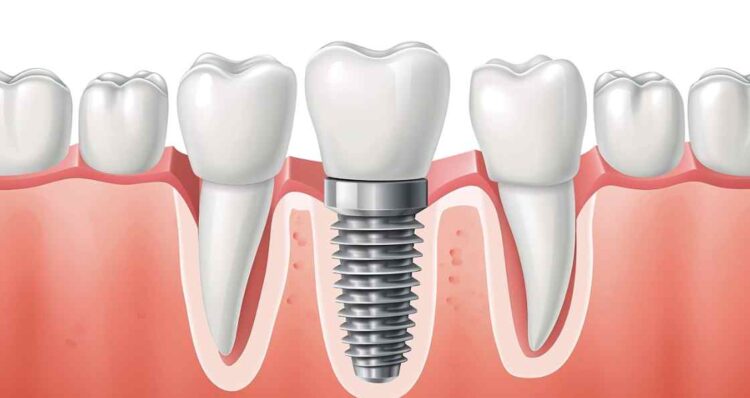
What About Implant-Supported Options?
A traditional bridge relies on neighboring teeth for support. An implant-supported restoration uses dental implants instead.
This creates an important difference because an implant replaces the role of a tooth root in supporting the restoration.
Implant-supported options are not appropriate for everyone, and treatment can involve additional planning. Factors such as bone volume, gum health, overall health, and the location of the missing tooth all matter.
The choice should therefore be based on the individual’s situation rather than assuming one replacement method is universally better.
How to Protect a Crown or Bridge
A restoration still needs regular care.
Good habits include:
- Brush twice daily with fluoride toothpaste
- Clean between the teeth every day
- Follow any special cleaning instructions
- Avoid using teeth to open packages
- Tell your dentist about persistent sensitivity or discomfort
- Attend regular dental examinations
A crown or bridge does not make the surrounding teeth immune to decay or gum disease.
The Main Lesson
Crowns and bridges can sound similar because both are fixed dental restorations, but they solve different problems.
A crown protects and restores a tooth that is still present, while a bridge replaces a missing tooth by spanning the space.
Understanding that distinction can make dental treatment discussions much easier. Instead of focusing only on the appearance of the final result, consider the condition of the remaining tooth structure, the health of surrounding tissues, the demands placed on the area, and the long-term function of the restoration.
The right restoration is ultimately the one that matches the actual dental problem and can be maintained properly over time.
Related Posts
Dental Implants Modesto: Permanent Solutions for…
Olive Nguyen | June 10, 2026 | 0Losing a permanent tooth does more than just create an uncomfortable gap in your smile; it initiates a series of progressive oral health challenges that worsen over time. Missing teeth…

The Science of a First Impression:…
Olive Nguyen | February 18, 2026 | 0In the professional and social circles of Central Valley, your smile is often the first thing people notice before you even say a word. Whether you are walking into a…