
Exercise Physiologist in Northern Beaches: A Smarter Path to Lasting Strength and Movement
Olive Nguyen | March 26, 2026 | 0 | PhysiotherapyMovement rarely breaks all at once. It fades, slowly. A shoulder feels tighter than before. Knees react to simple tasks. Energy drops in a way that feels hard to explain. These small signals are often ignored. Until they are not. At that point, support from an exercise physiologist in Northern Beaches becomes relevant. Not as a quick fix. Not as a push toward intensity. But as a structured way of understanding how the body is moving, and why it has started to feel different.
Movement Analysis
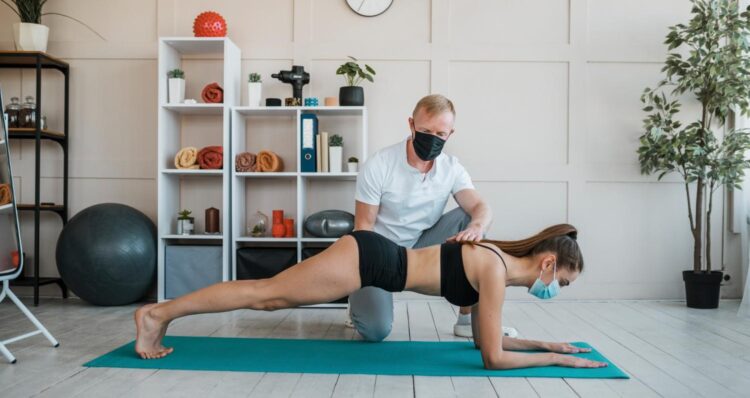
Movement patterns can look normal at a glance. Yet something small may be off. Weight might sit more on one side. A joint may move with less ease. These details often go unnoticed in daily life. They build quietly. Over time, they begin to show as discomfort or restriction. An exercise physiologist pays attention to these subtle patterns. The process is observational first. Correction comes later. Not everything is changed at once. Only what is creating strain. That approach keeps movement closer to how the body naturally wants to function.
Recovery Strategy
Recovery does not move in a straight line. There are days when progress feels clear. Then there are days when it does not. That inconsistency can lead to frustration. It can also lead to overcorrection. Pushing harder does not always help. Sometimes it slows things down. A better approach focuses on timing. And tolerance. And response. Movements are introduced when the body is ready for them. Not earlier. Not later. An exercise physiologist in Northern Beaches builds recovery in stages. Each stage supports the next. The body is not rushed. It is guided.
Condition Adaptation
Some conditions change how the body reacts to movement. Pain may appear during certain actions. Other movements may feel completely fine. This inconsistency requires adjustment. Not restriction. Exercise is still used. But it is shaped differently. The direction of movement. The level of effort. The way it is performed. All of these can be adjusted. The aim is to keep the body active without adding unnecessary stress. Over time, this creates a more tolerant system. Movement becomes easier to manage, even with ongoing conditions.
Strength Development
Strength is often misunderstood. It is not only about effort. It is about control. A movement can look simple but still feel difficult if the body is not coordinated. When exercises are chosen with purpose, control improves. Muscles begin to work together in a better way. Joints move with less resistance. The change is not always obvious at first. It builds quietly. A exercise physiologist in Northern Beaches focuses on this type of development. Strength that supports daily movement. Strength that feels stable, not forced.
Daily Function
Most movement does not happen in the gym. It happens throughout the day. Sitting. Standing. Reaching. Walking. These small actions shape how the body feels over time. Repetition can create patterns. Some are helpful. Others create strain. An exercise physiologist looks at these patterns closely. The goal is not to add more exercise. It is to improve how existing movement is performed. Small changes can reduce pressure on joints. They can also improve how the body handles routine activity. Over time, these adjustments make daily life feel more manageable.
Conclusion:
An exercise physiologist in Northern Beaches works with how the body actually moves, not how it is expected to move. The process is measured and intentional. It does not rely on intensity. It relies on understanding. Each adjustment is made with care. Each stage builds on the one before it. Over time, movement becomes more controlled. More stable. More familiar. The changes may feel small at first. Yet they create a noticeable shift in how the body responds. That is where real progress begins.
Related Posts

How At-Home Physiotherapy Services Make Everyday…
Olive Nguyen | March 2, 2026 | 0For many people, attending physiotherapy appointments can feel like an added challenge, especially when mobility is limited or recovery is still in the early stages. This is where an at…

What Do You Need to Know…
Olive Nguyen | June 20, 2025 | 0When it comes to treating musculoskeletal pain, injury recovery, and mobility issues, hands on physiotherapy remains one of the most effective and widely trusted approaches. This method involves direct, manual…