
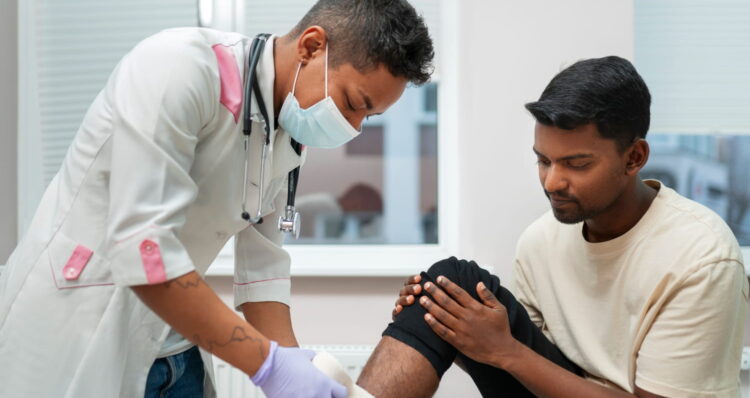
When to See a Specialist for Chronic Wounds
Olive Nguyen | February 20, 2026 | 0 | Health CareMost of the time, our bodies are remarkably efficient at healing. A small cut or a scraped knee usually closes up and disappears within a matter of days. However, when the natural healing process stalls, a minor injury can transform into a significant health risk.
If you have a sore that refuse to heal, knowing when to transition from home care to professional intervention is crucial. Partnering with a specialized team, such as Peak Surgical & Wound Care, can prevent complications like infection, tissue loss, or even amputation. Here are the clear signs that it is time to seek expert help.
1. The “Four-Week” Rule
The most basic benchmark for a chronic wound is time. Medical professionals generally categorize a wound as “chronic” if it has not shown significant signs of healing within 30 days. While some slow progress is normal for larger injuries, a total lack of closure after a month indicates an underlying issue—such as poor circulation or systemic inflammation—that requires a specialist’s diagnosis.
2. Signs of Advancing Infection
While some redness is a natural part of the inflammatory phase of healing, certain symptoms suggest the body is losing the battle against bacteria. You should contact Peak Surgical & Wound Care immediately if you notice:
- Increasing Pain: Pain that gets worse over time rather than better.
- Foul Odor: A distinctive, unpleasant smell coming from the wound site.
- Heat and Swelling: The skin around the wound feels hot to the touch or appears tight and shiny.
- Discolored Drainage: Yellow, green, or cloudy discharge (pus) is a major red flag.
3. Changes in the Wound’s Appearance
A healthy healing wound should look pink and “beefy” (granulation tissue). If the wound bed changes to the following colors, the healing process has likely stopped:
- Black or Brown: This indicates necrotic (dead) tissue, which acts as a shield for bacteria and must be professionally removed.
- Yellow or Toffee-colored: This is often “slough,” a thick layer of dead cells and debris that prevents new skin from growing.
4. Underlying Health Conditions
If you live with certain chronic illnesses, your threshold for seeking a specialist should be much lower.
- Diabetes: Diabetic foot ulcers are a leading cause of complications because nerve damage (neuropathy) can mask the pain of an worsening wound.
- Vascular Disease: Issues with veins or arteries can prevent oxygen-rich blood from reaching the injury, making it nearly impossible for the body to repair itself without advanced intervention.
- Lymphedema: Chronic swelling in the limbs can put pressure on the skin, causing it to “weep” and break down into ulcers.
What a Wound Specialist Can Do
General practitioners are wonderful for primary care, but a clinic like Peak Surgical & Wound Care utilizes advanced modalities that aren’t available in a standard office. These may include:
- Debridement: The careful removal of dead or infected tissue to jumpstart the healing process.
- Compression Therapy: Specialized wraps to manage swelling and improve blood flow.
- Bio-Engineered Skin Substitutes: High-tech “grafts” that provide a scaffold for new skin to grow.
Final Thoughts
A non-healing wound is not just a surface issue; it is a signal from your body that it needs extra support. By seeking help early, you reduce the risk of long-term damage and get back to your daily life faster. If you’re tracking a wound that hasn’t improved in weeks, don’t wait for it to become an emergency—consult a specialist today.
Related Posts
Uncovering the Root Causes of Persistent…
Olive Nguyen | August 25, 2026 | 0Feeling constantly exhausted despite spending eight hours in bed can be frustrating and disruptive to daily life. While occasional tiredness after a busy week or an intense workout is normal,…
A Beginner’s Guide to Home-Based Primary…
Olive Nguyen | July 28, 2026 | 0Managing chronic physical limitations, complex age-related illnesses, or advanced mobility challenges can turn regular visits to a traditional medical office into a stressful and exhausting chore. When leaving the house…